 Log in to view
฿฿
Junmai Ginjo.
Product information compiled from producer, importer and reference sources.
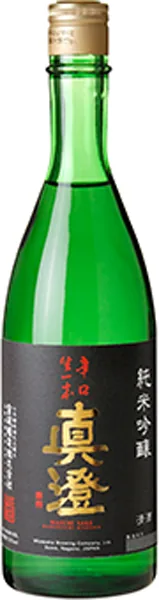
Karakuchi 'dry-style' Junmai Ginjo from Suwa, Nagano — yamahai-method lactic complexity, brewed on the yeast Masumi gave the world in 1946.
In 1946, Masumi's brewers isolated a yeast strain from their Suwa fermentation tanks that would go on to define modern sake: Kyokai Yeast No. 7, now deployed by over 60% of Japan's breweries. The Karakuchi Kiippon is brewed on that same proprietary yeast — at the source.
The Suwa Moto-machi kura sits at the junction of the ancient Koshu Kaido road and the Kirigamine Highlands approach, in a district historically called Shimizu-machi ('Clear Water Village'), drawing snowmelt from the Yatsugatake (Eight Peaks) Range. That cold, mineral-laden alpine water, combined with the Suwa Basin's severe winters, creates the slow, clean fermentation environment that defines the house style.
The rice — primarily Miyama Nishiki, grown in Nagano — is polished in-house to Junmai Ginjo grade (≤60% remaining). Fermentation follows the yamahai yeast-starter method: natural lactic-acid bacteria are cultivated in the shubo over approximately two weeks before yeast is introduced — no commercially added lactic acid — yielding a structurally firmer, more acidic sake than the sokujo norm.
The 'karakuchi' (dry) designation is the transgression here: where most Junmai Ginjo leans toward fruity softness, Kiippon is deliberately lean and food-driven, its dryness sharpened by yamahai's elevated natural acidity. Drink now through near-term, best alongside the table.
Sommelier’s pick: Grilled yellowtail collar with yuzu kosho · Cold soba with dipping broth and wasabi · Steamed clams in sake-butter broth
Loading notes…
Tasted this?
Ask us on LINE.
Ask about this item