 Log in to view
฿฿
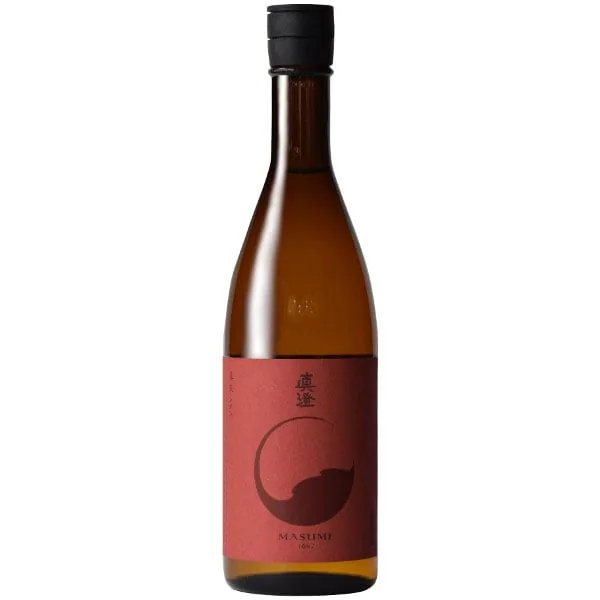
Junmai Ginjo.
Product information compiled from producer, importer and reference sources.
Yamahai Junmai Ginjo from Suwa's 1662 kura — brewed on the yeast Japan gave the world, delivering lactic depth at ginjo polish.
In 1946, Masumi's brewers isolated a yeast strain from their fermentation tanks in Suwa, Nagano, that would go on to power over 60% of Japan's sake industry — Kyokai Yeast No. 7. The Aka Red is built entirely on that lineage, fermented using the yamahai
yeast-starter method: natural lactic-acid bacteria cultivated in the shubo over approximately two weeks before fermentation begins, with no commercially added lactic acid.
The result is a structural complexity that sokujo-method ginjo simply cannot replicate.
The Suwa Basin kura sits where the ancient Koshu Kaido road meets the Kirigamine Highlands approach — a site historically called Shimizu-machi, 'Clear Water Village.' Water drawn from the Yatsugatake (Eight Peaks) Range snowmelt is soft and mineral-clean, tempering the yamahai's natural acidity into something precise rather than aggressive.
Cold mountain air and Nagano's short, sharp winters slow fermentation and concentrate aromatic development.
Rice is Miyama Nishiki, polished to ginjo grade (≤60% remaining), milled in-house at Masumi's own polishing plant. Fermentation proceeds through three-stage sandan-jikomi addition in temperature-controlled tanks. The special feature here: yamahai is almost
universally reserved for junmai or premium tiers at other breweries — Masumi applies it across the entire range, making this mid-tier ginjo as labour-intensive to produce as most breweries' flagship expressions.
Drink now through 2–3 years from bottling; the lactic backbone rewards light chilling rather than full refrigeration.
Sommelier’s pick: Chawanmushi with sea urchin and dashi · Aged Comté with mountain honey · Slow-braised pork belly with taro in soy-dashi
Loading notes…
Tasted this?
Ask us on LINE.
Ask about this item