 Log in to view
฿
Product information compiled from producer, importer and reference sources.
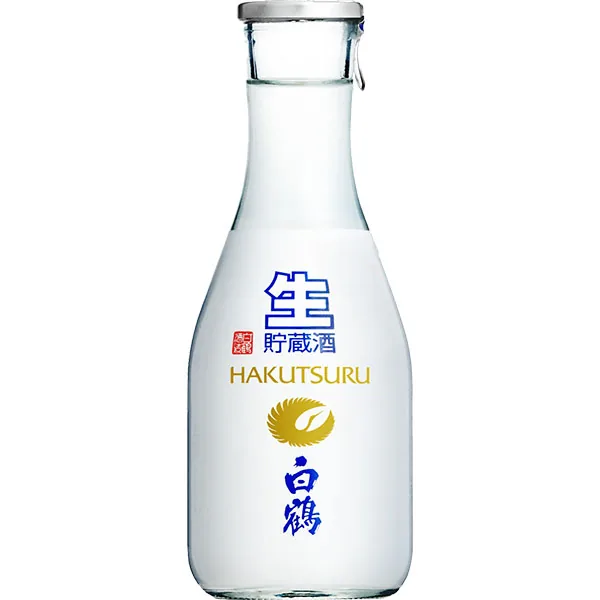
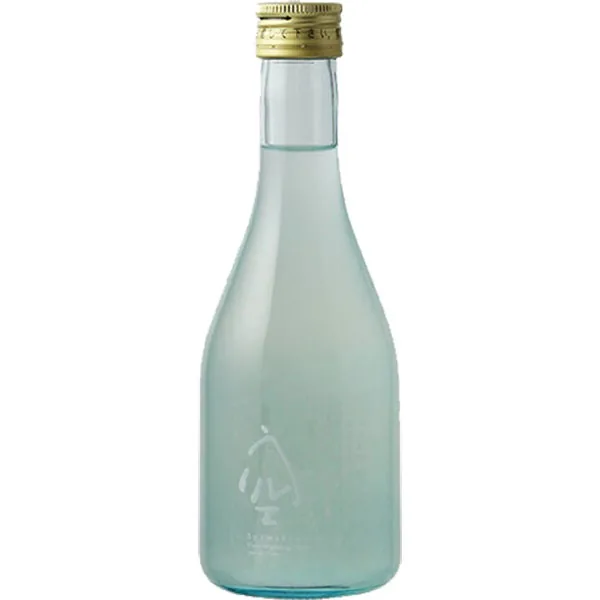
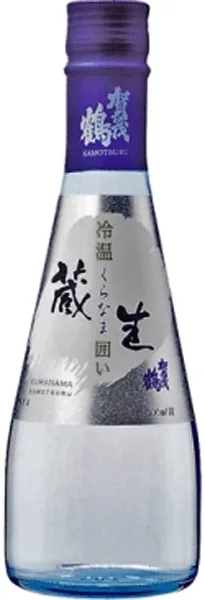
Kuranama ('cellar-fresh') nama sake from Saijo's soft-water pioneer — unpasteurised, alive, and built on Hiroshima's technically demanding slow-ferment method.
Kamotsuru's Kura No. 4 — the brewery's modern refrigeration facility in Saijo, Higashihiroshima — exists for a single purpose: to produce Shiboritate nama sake, released unpasteurised and unheated, preserving the volatile aromatic compounds that a single pasteurisation cycle would permanently alter.
This is a deliberate structural choice by a brewery that, in 1958, released the world's first commercially sold daiginjo and has never stopped engineering category-defining expressions.
Saijo sits in Higashihiroshima City, drawing ultra-soft subsoil water filtered through the Kamo Mountains — mineral-poor to a degree that historically made ginjo-grade fermentation nearly impossible. Kamotsuru's answer was to develop a slow, low-temperature
moromi fermentation that compensates for the water's lack of mineral yeast nutrients, with koji cultured deeply into the rice's inner structure to front-load saccharification.
The result is the house 'Ama-Kara-Pin-Uma' profile: mildly sweet, dry, refreshing, and layered — never fatiguing.
As a nama (unpasteurised) release, Kuranama retains lively enzymatic activity and a freshness that pasteurised expressions cannot replicate. The 300 ml format is intentional — nama sake demands cold storage and rapid consumption once opened, and the small bottle enforces that discipline.
No heat treatment at any stage is what separates this from the standard Kamotsuru lineup.
Drink cold, soon after purchase, as a snapshot of the kura at its most unguarded.
Sommelier’s pick: Chilled oysters with ponzu mignonette · Steamed snow crab with sudachi · Lightly salted edamame with yuzu zest
Loading notes…
Tasted this?
Ask us on LINE.
Ask about this item