 Log in to view
฿฿
Product information compiled from producer, importer and reference sources.
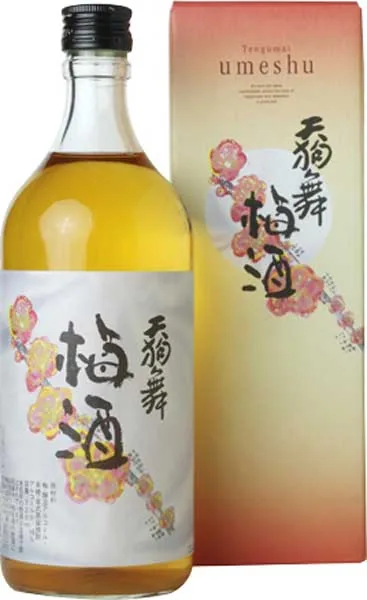
Kanazawa junmai sake base meets whole Nanko ume from Wakayama — Shata Shuzou's 350-year brewing lineage in a single bottle.
Shata Shuzou, founded in 1665 in Hakusan-fumi, Ishikawa Prefecture, draws brewing water from the snowmelt aquifers of the Hakusan mountain range — water prized for its soft mineral profile and low iron content, which preserves the delicate aromatics of the ume fruit.
The brewery sits at the foot of Mount Hakusan, where cold winters and clean alpine hydrology have shaped its sake style for over three centuries.
Tengumai Umeshu is built on a junmai sake base — rice wine brewed without added distilled alcohol — rather than the neutral shochu base common to most commercial umeshu. Whole Nanko ume from Wakayama, Japan's benchmark plum-growing region, are steeped directly in this sake base, extracting both the fruit's flesh and the almond-like compounds from the pit.
The result carries a structural depth and fermented grain backbone absent from shochu-based peers.
What separates this expression categorically: using a junmai foundation means the umeshu retains the amino acid complexity and umami weight of brewed sake alongside the fruit maceration, a combination virtually no mass-market umeshu attempts. The sweetness is dense but cut by the natural acidity of the Nanko ume, making the texture viscous without becoming cloying. Serve well-chilled or over a single large ice cube.
Sommelier’s pick: Foie gras torchon with pickled plum gel · Aged Comté with walnut bread · Wagyu beef tataki with ponzu
Loading notes…
Tasted this?
Ask us on LINE.
Ask about this item