Napa Valley
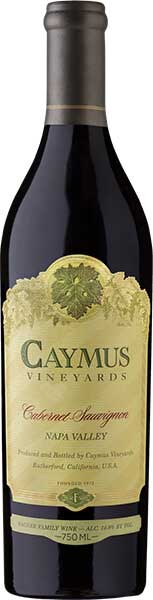
California's most widely known wine region and the state's first AVA (1981) — a small, mountain-flanked valley of extraordinary soil diversity making its most polished, classy cabernet sauvignons.
About the region
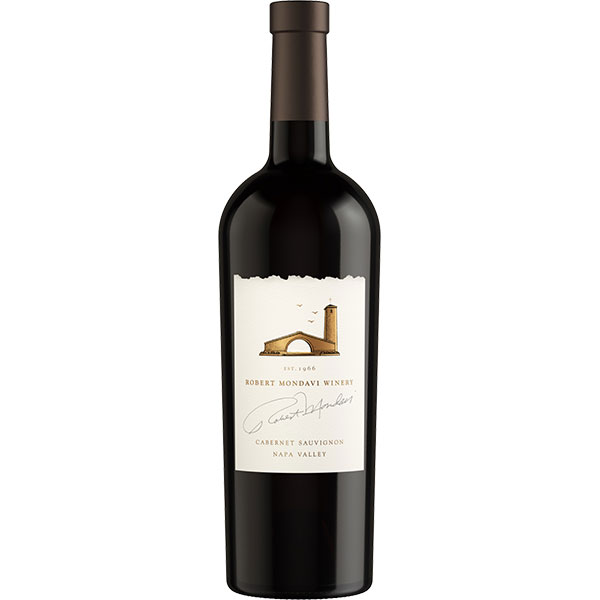
About 48 miles (77 kilometres) north of San Francisco, Napa Valley is California's most widely known wine region, even though it produces an astoundingly small share of the state's wine — just 4 percent. For almost a century and a half the valley has attracted a majority of the most ambitious, talented, driven and outspoken vintners in the United States: Inglenook was built by the Finnish sea captain Gustave Niebaum and sold a century later to Francis Ford Coppola; Opus One was founded by Robert Mondavi and Baron Philippe de Rothschild; and the first California wines to cost $100, $200 and more than $300 a bottle were all made here. Critics say Napa has an ego; what it really has is a gargantuan appetite for life and success, and you can taste it in the wines. While it is not the only California region to make great wine, Napa consistently makes a good share of the most polished, classy and complex wines in the state — especially the cabernet sauvignons. Named California's first AVA in 1981, the valley proper stretches in a banana shape from northwest to southeast, 30 miles (48 kilometres) long — similar to the length of Burgundy's Côte d'Or — and just 1 to 5 miles wide, beginning at San Pablo Bay and ending at the extinct volcano Mount St. Helena, flanked by the Vaca Mountains to the east and the Mayacamas to the west. The climate is quite Mediterranean, with dry, warm summers and wet, cool winters. Though it looks uniform to the untrained eye, ancient volcanic eruptions, the collision of the North American and Pacific plates, sedimentary soils from the old Pacific floor and the cyclical flooding of the Napa River have left an extraordinary diversity of soils: of the twelve soil orders scientists recognise worldwide, Napa has six, containing almost three dozen soil series and over a hundred variations. With more than four hundred wineries, most small and family owned, estates next door to one another often make wines that taste totally different. In addition to the Napa Valley AVA there are sixteen smaller AVAs within the valley. The name napa comes from the Wappo dialect and means 'plenty'.