 Log in to view
฿฿฿
Product information compiled from producer, importer and reference sources.
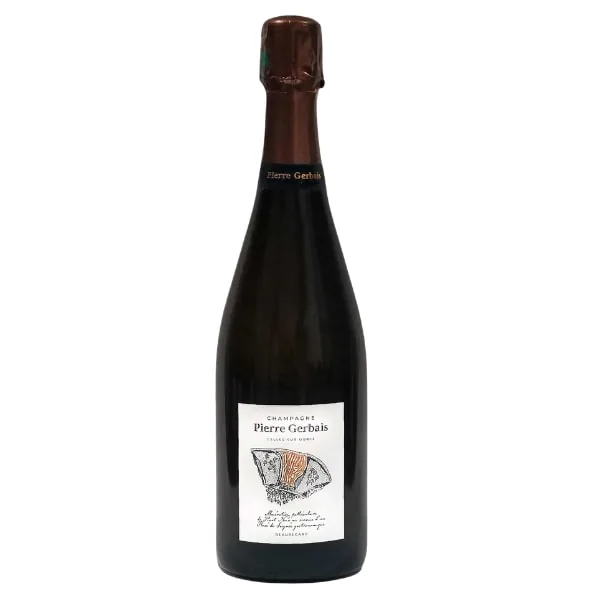
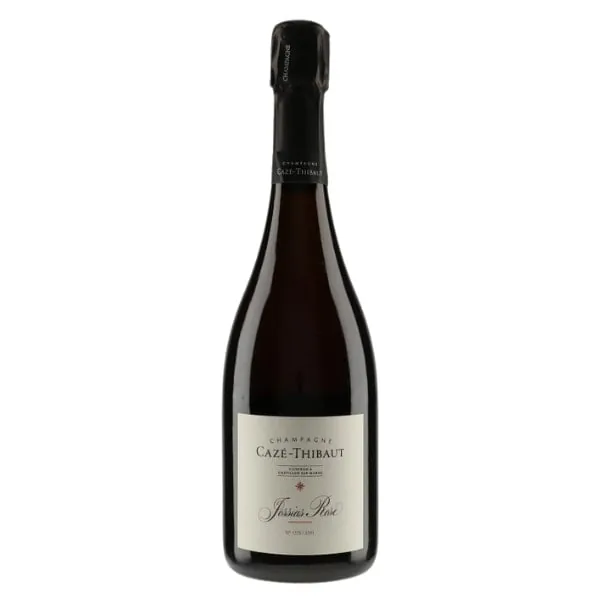
Grower Champagne from 2.66 ha of Marne right-bank clay-limestone; Pinot Meunier-driven rosé, Brut Nature, no MLF, native-yeast barrel fermentation.
Fabien Cazé — tenth generation, admitted into the Terres et Vins de Champagne collective after only his second release — built his cellar in a 19th-century vaulted chalk corridor on rue des Crayères in Venteuil, where the naturally cold ambient temperature is not incidental: it is the mechanism by which malolactic fermentation is deliberately suppressed.
The Jossias Rosé Brut Nature emerges from that same philosophy applied to a Pinot Meunier-anchored blend, sourced from six parcels across Châtillon-sur-Marne and Vandières on the Marne's right bank — clay-limestone soils over shallow chalk bedrock, east- and south-facing slopes that ripen Meunier to precision rather than opulence.
Approximately half the base wine undergoes spontaneous native-yeast fermentation in 228–350 L oak barrels (used/neutral wood dominant), with the remainder in stainless steel; the blend then ages extended lees en tirage before disgorgement at Brut Nature dosage (0 g/L), determined by blind tasting.
No fining, no filtration. What is unusual here: a Brut Nature rosé from an unclassified Marne Valley village, built on Pinot Meunier — a grape most houses blend away — treated with the parcel-level seriousness normally reserved for Grand Cru Chardonnay. The no-MLF, zero-dosage architecture delivers a taut, saline, vinous character that reads closer to still wine than to conventional NV Champagne.
Sommelier’s pick: Grilled langoustine with bisque butter · Tuna tataki with yuzu kosho and sesame · Duck breast carpaccio with pickled cherries
Loading notes…
Tasted this?
Ask us on LINE.
Ask about this item