 Log in to view
฿฿฿฿
Product information compiled from producer, importer and reference sources.
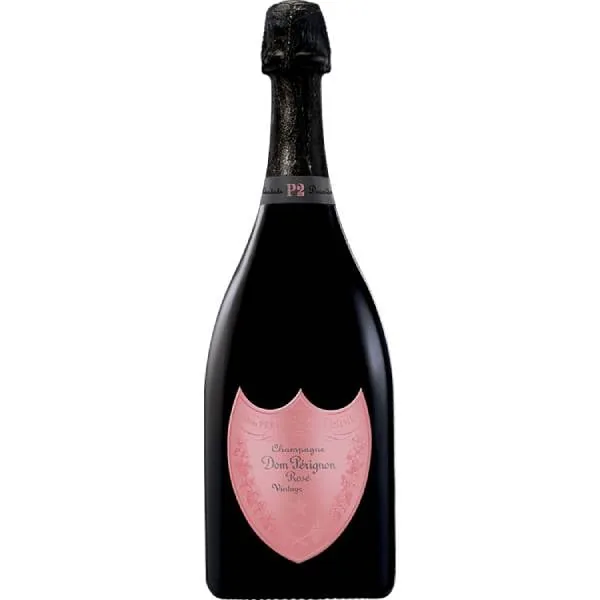
Chef de cave Vincent Chaperon's predecessor Richard Geoffroy pioneered the Plénitude concept on a single conviction: the same vintage does not age linearly — it passes through distinct windows of peak expression, and the wine must be held undisgorged until each window opens.
The P2 Rosé 2000 spent a minimum of 15 years on lees, undisgorged, in Dom Pérignon's chalk cellars beneath Épernay — chalk that functions as both thermal insulator and humidity regulator, holding the wine at near-constant cool temperature while the autolytic exchange between spent yeast and wine proceeds without interruption.
The 2000 vintage draw on Pinot Noir from Aÿ, Bouzy, Mailly-Champagne, and Verzenay and Chardonnay from the Côte des Blancs Grand Crus — all on deep chalk and limestone — with the rosé component derived from Pinot Noir vinified with skin contact to achieve colour and red-fruit structure.
No oak is used at any stage; the entire ageing regime is reductive and in-bottle, preserving the house's signature smoky, mineral-driven aromatic while the extended lees contact builds extraordinary textural depth. Malolactic fermentation is conducted, and dosage sits in the 4.5–5 g/L range, calibrated to complement rather than sweeten the wine's evolved structure.
What no peer in Champagne replicates: the deliberate decision to withhold disgorgement until a specific maturation peak is identified — meaning this 2000 Rosé was released not on a calendar schedule but on the chef de cave's judgment that the wine had reached its second Plénitude. At over two decades from harvest, the wine occupies a category of its own.
Sommelier’s pick: Grilled Brittany lobster with bisque butter and tarragon · Aged Comté with honeycomb and toasted walnut · Slow-roasted duck breast with sour cherry reduction
Loading notes…
Tasted this?
Ask us on LINE.
Ask about this item