 Log in to view
฿฿฿฿
Product information compiled from producer, importer and reference sources.
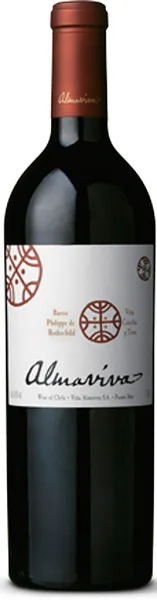
Puente Alto's alluvial Andean fan soils, gravity-only vinification, and Carmenère integration — Chile's Château concept executed at 650 m elevation.
When Baroness Philippine de Rothschild and Eduardo Guilisasti Tagle formalized their joint venture in 1997, they imposed a single constraint borrowed from the Médoc: one estate, one bodega, one wine. That discipline is the structural reason Almaviva exists as it does — not a blended commercial proposition, but a site-specific argument for Puente Alto.
The estate sits at the foot of the Andes at 620–650 m elevation, where alluvial fan deposits — loamy clay to 50 cm, then sandy loam, gravel, and rock — deliver the drainage and low-pH minerality that keep the wine taut despite Maipo's natural ripeness. Diurnal swings off the cordillera preserve acidity and aromatic precision at altitude.
In the bodega, hand-harvested fruit is cold-macerated for color and aromatic extraction, then fermented parcel-by-parcel in stainless steel with gravity-only transfers — no pumps; malolactic fermentation occurs spontaneously before or just after the wine moves by gravity into barrel.
The blend ages 20 months in French oak, 70–73% new, in the estate's Grand Chai vault. The house's structural signature — Cabernet Sauvignon dominant, with Carmenère threading roasted pepper and dark spice through a Bordelais frame — is fully present in the 2017.
The deliberate inclusion of Carmenère, a variety phylloxera erased from France and rediscovered in Chile, gives Almaviva a flavor identity no Bordeaux or Napa peer can replicate. Drink 2024–2040.
Sommelier’s pick: Rack of lamb with chimichurri and charred leek · Dry-aged ribeye with bone marrow butter · Duck confit with black cherry reduction
Loading notes…
Tasted this?
Ask us on LINE.
Ask about this item