 Log in to view
฿
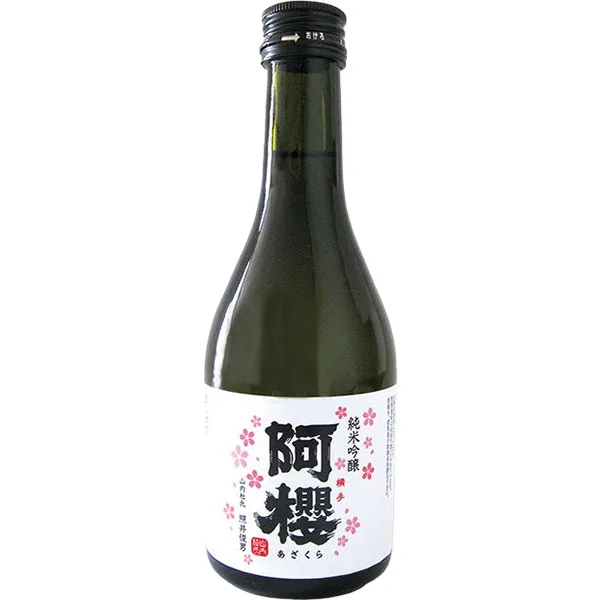
Junmai Ginjo.
Product information compiled from producer, importer and reference sources.
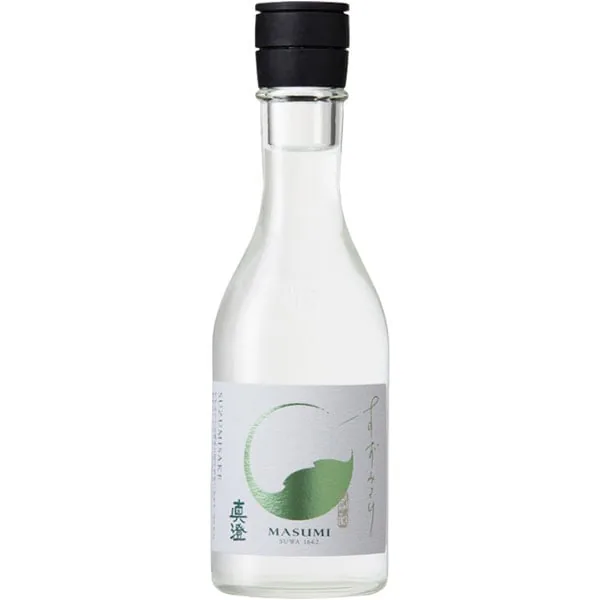
Suwa-brewed Junmai Ginjo from the birthplace of Kyokai Yeast No. 7 — yamahai-method lactic complexity in a chilled seasonal 300 ml.
In 1946, Masumi's brewers isolated a yeast strain from their own fermentation tanks in Suwa, Nagano — that culture became Kyokai Yeast No. 7, now deployed by over 60% of Japan's sake breweries. Suzumi is brewed at the original Suwa Moto-machi kura, where
snowmelt from the Yatsugatake (Eight Peaks) Range filters through the Kirigamine Highlands before arriving at the brewery — water of high softness and mineral clarity that drives a clean, precise fermentation.
The yamahai yeast-starter method is applied here as it is across the entire Masumi range: natural lactic-acid bacteria are cultivated in the shubo over approximately two weeks without commercially added lactic acid, building a fermentation base of greater structural acidity and lactic depth than the sokujo norm.
The rice — predominantly Miyama Nishiki, grown in Nagano and polished to Junmai Ginjo grade (≤60% remaining) — ferments in three-stage sandan-jikomi in temperature-controlled tanks. The transgression here is scale: yamahai is typically reserved for premium, small-batch expressions, yet Masumi applies it range-wide, including this accessible seasonal format.
Suzumi ('cooling breeze') is positioned as a summer-to-autumn seasonal, designed for chilled service — its higher natural acidity and lactic backbone making it unusually food-responsive for a Ginjo-grade sake.
Sommelier’s pick: Chilled somen noodles with dashi dipping broth · Grilled ayu (sweetfish) with salt · Burrata with shiso oil and fleur de sel
Loading notes…
Tasted this?
Ask us on LINE.
Ask about this item