 Log in to view
฿฿
Junmai Ginjo.
Product information compiled from producer, importer and reference sources.
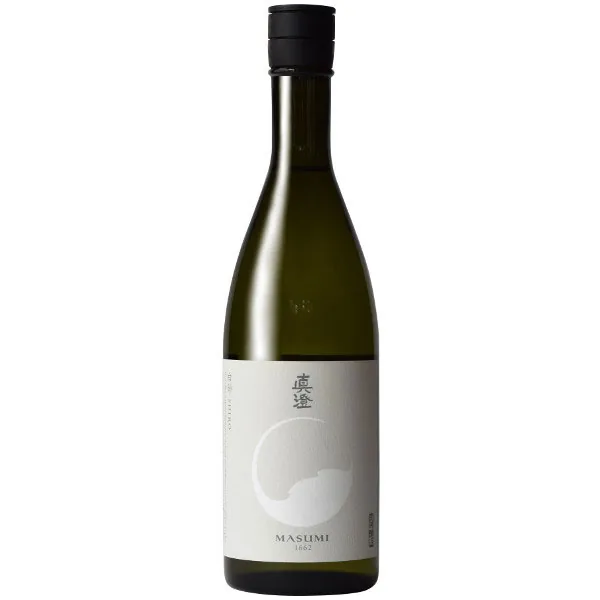
Yamahai-method Junmai Ginjo from Suwa's 1662 kura — brewed on Kyokai No. 7, the yeast Masumi gave to the world.
In 1946, Masumi's brewers isolated a yeast strain from their own fermentation tanks in Suwa, Nagano — a strain so performant that the Brewing Association distributed it nationally, and today over 60% of Japan's sake breweries ferment with what is now called Kyokai Yeast No. 7. Masumi still brews every sake with it, including this Junmai Ginjo.
The Suwa Moto-machi kura sits at the historic junction of the Koshu Kaido road and the Kirigamine Highlands route, in a district long called Shimizu-machi — Clear Water Village — drawing snowmelt from the Yatsugatake (Eight Peaks) Range. That ultra-soft alpine water, combined with Suwa Basin's cold mountain air, drives a slow, clean fermentation that preserves delicate ginjo aromatics without sacrificing structure.
The Shiro White is brewed via the yamahai yeast-starter method: natural lactic-acid bacteria are cultivated in the shubo tank over approximately two weeks before yeast is introduced — no commercially added lactic acid — producing higher natural acidity and a layered umami backbone that sokujo-method ginjo rarely achieves at this polish level.
Rice is milled in-house at Masumi's own polishing plant, with Miyama Nishiki — Nagano's signature cold-climate sake rice — forming the primary grain. What sets this expression apart is the application of yamahai across an entry-accessible ginjo tier: most breweries reserve this labour-intensive method for premium daiginjo.
The result is a ginjo with genuine lactic tension and food-driving acidity rather than the soft, fruit-forward profile the grade typically delivers.
Sommelier’s pick: Grilled tai (sea bream) with yuzu kosho · Chawanmushi with crab and dashi · Sashimi of flounder (hirame) with ponzu
Loading notes…
Tasted this?
Ask us on LINE.
Ask about this item