 Log in to view
฿฿฿
Product information compiled from producer, importer and reference sources.
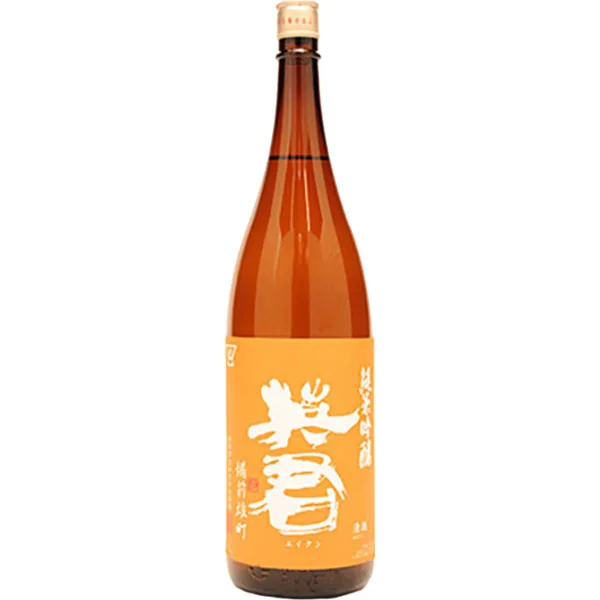
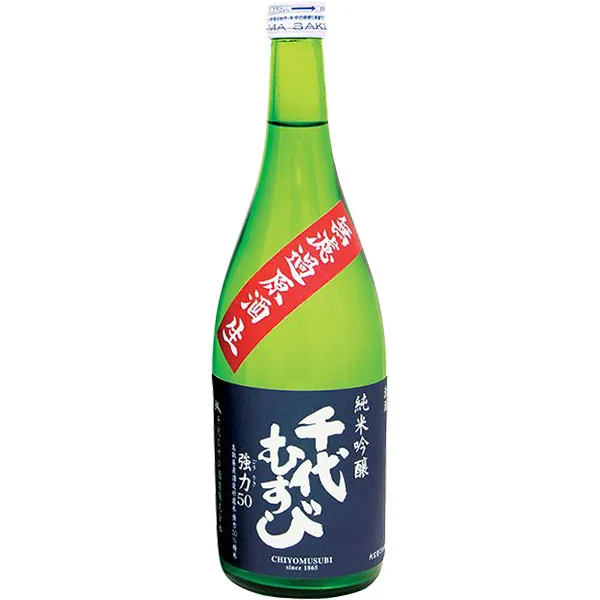
100% Gōriki rice at 60% polish — unpasteurised, unfiltered, undiluted — from Tottori's near-extinct terroir rice, stored at ice temperature.
Gōriki rice nearly disappeared from Tottori Prefecture by the mid-1950s; its revival in 1998 — a coalition of farmers, brewers, and Tottori University — was driven in large part by Chiyomusubi, which remains the variety's most committed champion and grows all its Gōriki under strict seed-purity contracts across five Tottori farming districts.
This Junmai Ginjo uses 100% Gōriki polished to exactly 60% (seimaibuai 60%), the Ginjo threshold, milled in-house. Gōriki is a large-grain, low-protein rice that ferments into a characteristically dense, full-bodied sake — structurally heavier and more textured than the lighter profiles associated with Hyogo Yamada Nishiki or Niigata Gohyakumangoku at the same polish level.
Brewing water is drawn from a natural spring at the foot of the Chugoku Mountains in Daito Town, Shimane — a slightly soft source collected by hand on a three-hour round trip each brewing day, chosen for its mineral gentleness against Gōriki's inherent weight.
Muroka (unfiltered), nama (unpasteurised), genshu (undiluted, typically 16–17% ABV): all three interventions are withheld simultaneously, and the sake is held at ice temperature to arrest microorganism activity without heat. The triple designation — muroka nama genshu — in a 1.8 L magnum format is rare at this polish level; most producers reserve it for daiginjo grades.
The result is a sake with raw fermentation energy, pronounced umami depth, and the structural density that makes Gōriki unlike any other Junmai Ginjo on the market.
Sommelier’s pick: Grilled yellowtail collar (buri kama) with daikon · Aged Comté or Gruyère with walnut bread · Steamed pork belly with fermented black bean sauce
Loading notes…
Tasted this?
Ask us on LINE.
Ask about this item