 Log in to view
฿฿฿
Product information compiled from producer, importer and reference sources.
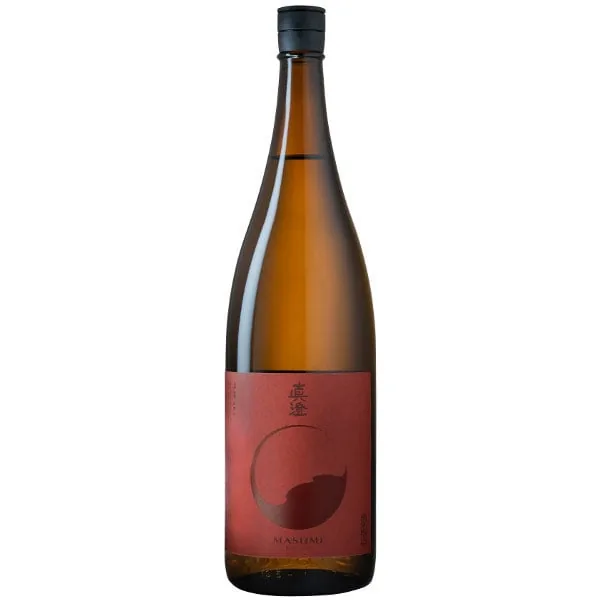
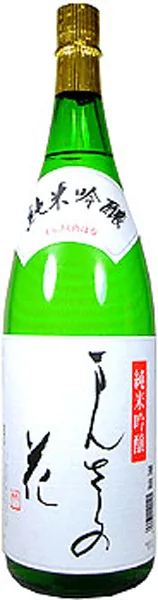
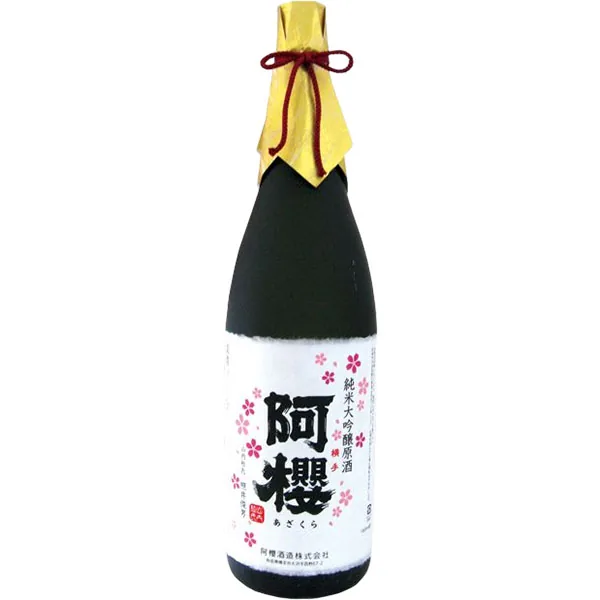
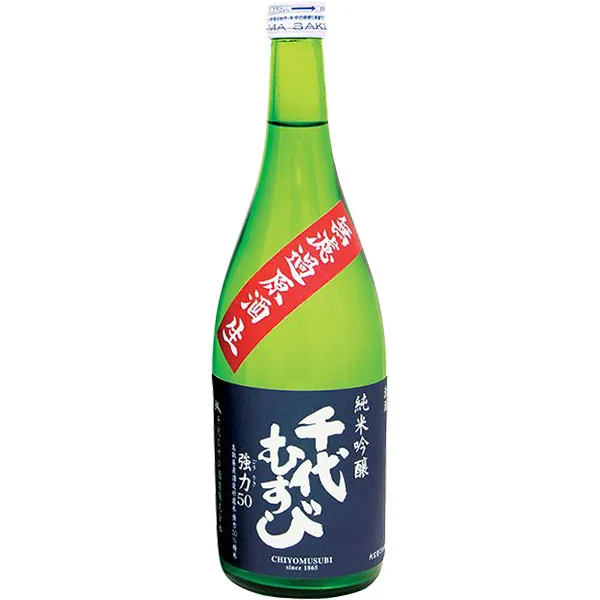
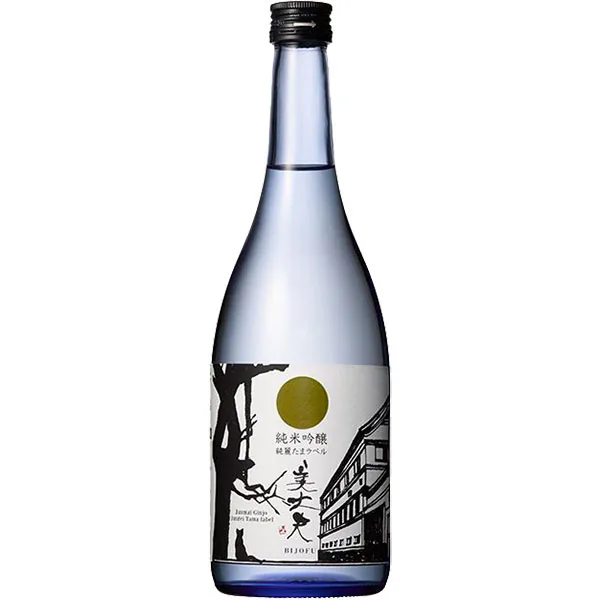
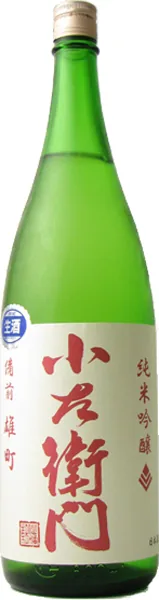
Bizen Omachi rice, yamahai starter, four-stage fermentation — Kozaemon's umakuchi philosophy in a 1.8 L magnum from Gifu's snowmelt springs.
Founded in 1702 by Nakashima Kozaemon in Mizunami City, Gifu, this brewery made a deliberate market transgression when it launched the Kozaemon label: championing umakuchi — rich, umami-forward sake — at a moment when Japan's mainstream had spent three decades chasing the light, dry tanrei karakuchi ideal.
The water source is a natural underground spring fed by snowmelt from Mt. Byobu (Byobuzan), filtered through the forested, mountainous terrain of Mizunami (70% forest cover), yielding soft, mineral-clean water that supports slow, low-temperature ginjo fermentation.
The rice is Bizen Omachi — one of Japan's oldest cultivated sake varieties, grown in Okayama Prefecture, prized for earthy depth and structural umami. Fermentation begins with a yamahai starter, building natural lactic acidity over an extended period before
the main mash, then proceeds through four-stage (yodan) additions rather than the standard three-stage sandan shikomi — a fourth rice-and-water charge that extracts additional amino acid complexity.
Koji cultivation runs at approximately 98% humidity to maximise enzyme activity and amplify rice-derived umami.
What sets this expression apart: Bizen Omachi's inherent earthiness, amplified by yamahai and yodan technique, produces a Junmai Ginjo with textural weight and savoury depth that most ginjo-tier sakes deliberately engineer away. The 1.8 L format preserves this complexity with minimal air exposure per pour.
Expect a broad, food-ready profile with lingering rice umami; drink now through 3–4 years with appropriate cold storage.
Sommelier’s pick: Grilled yellowtail collar (buri kama) with daikon · Aged Comté with walnut bread · Miso-glazed black cod (gindara saikyo-yaki)
Loading notes…
Tasted this?
Ask us on LINE.
Ask about this item