 Log in to view
฿฿฿
Product information compiled from producer, importer and reference sources.
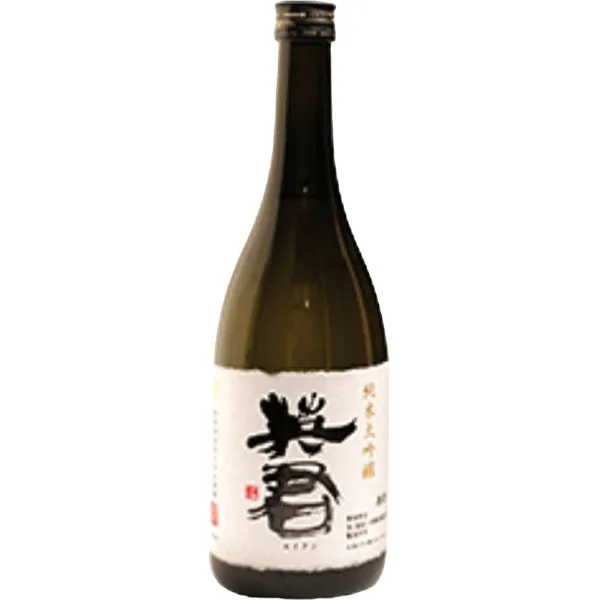
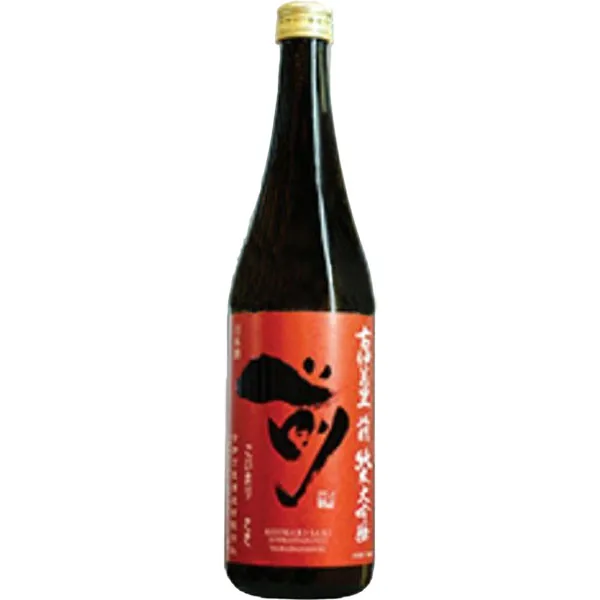
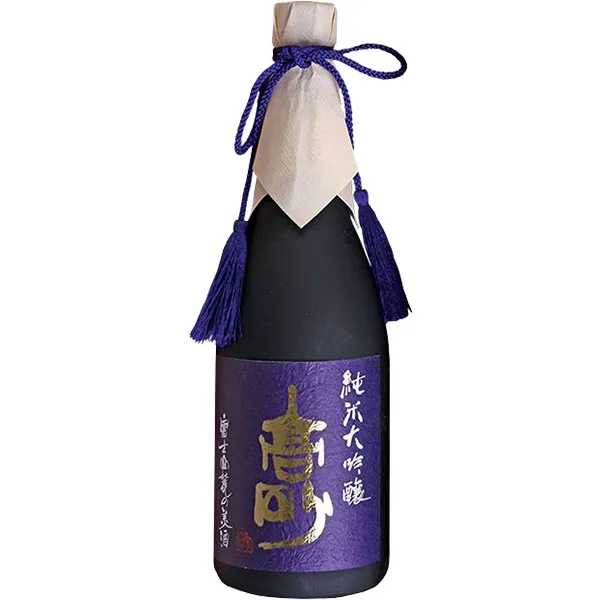
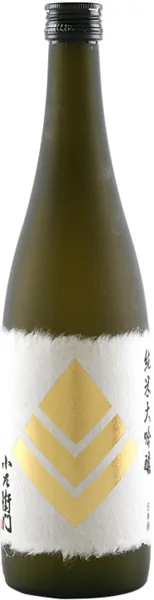
Founded in 1702 by Nakashima Kozaemon in mountainous Mizunami City, this brewery made a deliberate market transgression around 2001 — championing umakuchi (rich, umami-forward) sake at a moment when Japan's mainstream had spent three decades chasing the opposite ideal of light, dry tanrei karakuchi.
That philosophical stance is encoded into every production decision. Mizunami sits at 70% forest cover in southern Gifu's Mino highlands, drawing fermentation water from a natural underground spring fed by snowmelt off Mt. Byobu (Byobuzan) — soft, mineral-clean water that supports slow, low-temperature fermentation and preserves delicate ginjo aromatics.
The Junmai Daiginjo deploys a two-rice architecture: Yamada Nishiki polished to 40% (kojimai) and Aiyama as kakemai, with koji cultivated at approximately 98% humidity to maximise enzyme activity and amplify rice-derived sweetness. Fermentation follows yamahai
starter — a labour-intensive, lactic-acid-driven method that builds structural acidity and umami depth — combined with four-stage (yodan) brewing additions, a fourth mash increment beyond the standard three-stage sandan shikomi that extracts additional complexity.
Bottling uses the gravity-fill 'Piledriver' method to minimise oxidative stress. The pairing of yamahai with daiginjo-level polish is the category transgression: most producers reserve yamahai for earthier, lower-tier expressions, not sub-50% ginjo aromatics.
Sommelier’s pick: Steamed Dungeness crab with yuzu kosho butter · Grilled white asparagus with dashi hollandaise · Seared scallop with cauliflower purée and truffle
Loading notes…
Tasted this?
Ask us on LINE.
Ask about this item