 Log in to view
฿฿
Product information compiled from producer, importer and reference sources.
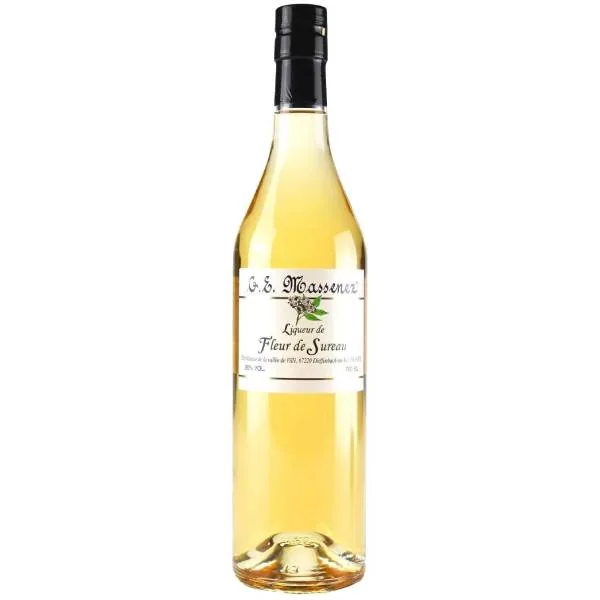
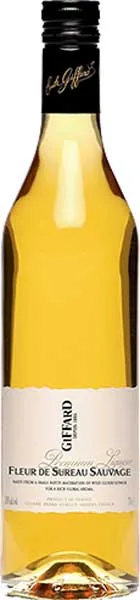
Loire Valley elderflower liqueur from a pharmacist-founded house; wild-flower maceration in sugar-beet spirit captures fleeting spring blossom at its aromatic peak.
When Émile Giffard opened his liqueur house in Avrillé in 1885, he applied a pharmacist's discipline to botanical extraction — isolating each ingredient's purest aromatic essence rather than building sweetness around it. That founding logic governs Fleur de Sureau Sauvage to this day, now in the hands of fifth-generation siblings operating from the same Loire Valley facility.
The Loire's designation as le Jardin de la France is not merely poetic: the region's temperate, river-moderated microclimate produces the wild elderflower whose fleeting spring bloom defines this expression. Maceration in neutral spirit distilled from sugar
beet — Giffard's house base — steeps the blossoms under controlled light, temperature, and oxygen conditions to arrest oxidation and lock in the volatile muscat-grape-like floral compounds that evaporate within days of harvest.
The result is a liqueur whose colour and aroma read as true-to-source rather than confected, a direct consequence of the house's refusal to compensate with added flavouring agents. What separates this from the category's dominant elderflower cordial tradition
is the extraction medium itself: ethanol captures fat-soluble aromatic compounds that water-based cordials cannot, yielding a textural density and aromatic persistence no syrup achieves.
Drink over ice or in a spritz where the blossom character can open without dilution masking its precision.
Sommelier’s pick: Goat's cheese tart with honey and thyme (Loire chèvre) · Steamed sea bass with ginger and spring onion · Prawn and lychee summer rolls with mint
Loading notes…
Tasted this?
Ask us on LINE.
Ask about this item