Old World and New World Wine in Thailand: What Each Is Made Of
By the WNLQ9.shop sommelier team · Published
Short answer
Old World means Europe’s wine regions; New World means the rest of the world’s. In the WNLQ9.shop catalogue, Old World wine makes up about 64% of in-stock wine. Both groups are mostly red, but the Old World carries far more sparkling wine, and the New World a higher share of white.
Key facts
- Old World
- about 64% of the catalogue
- New World
- about 36% of the catalogue
- Biggest differences
- sparkling and white wine
What Old World and New World mean
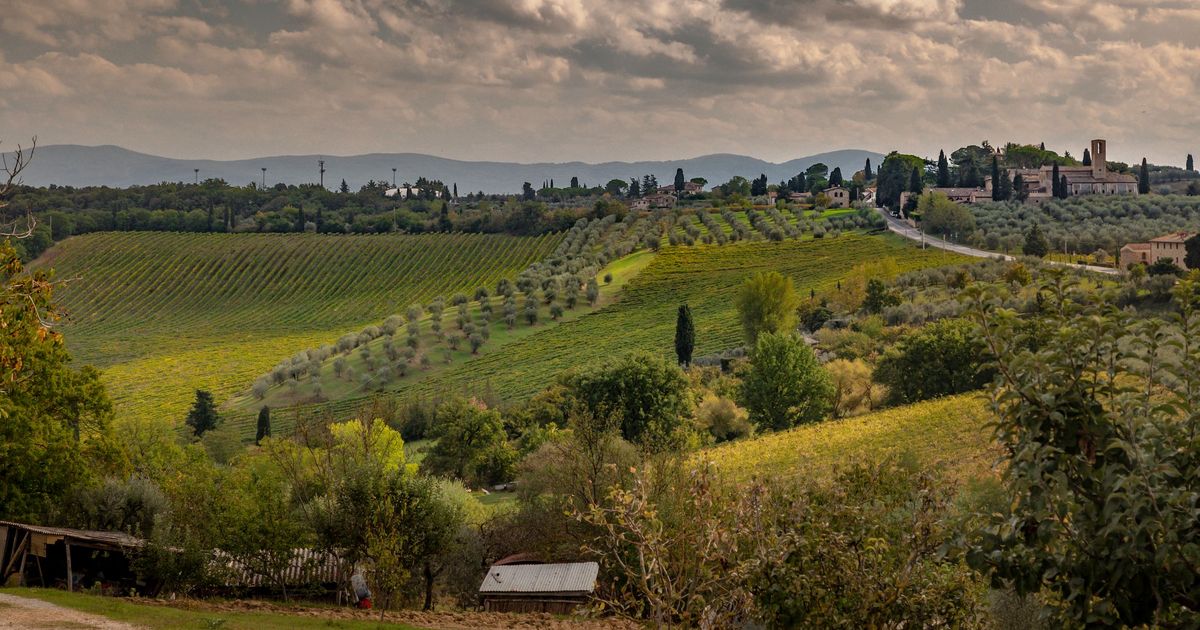
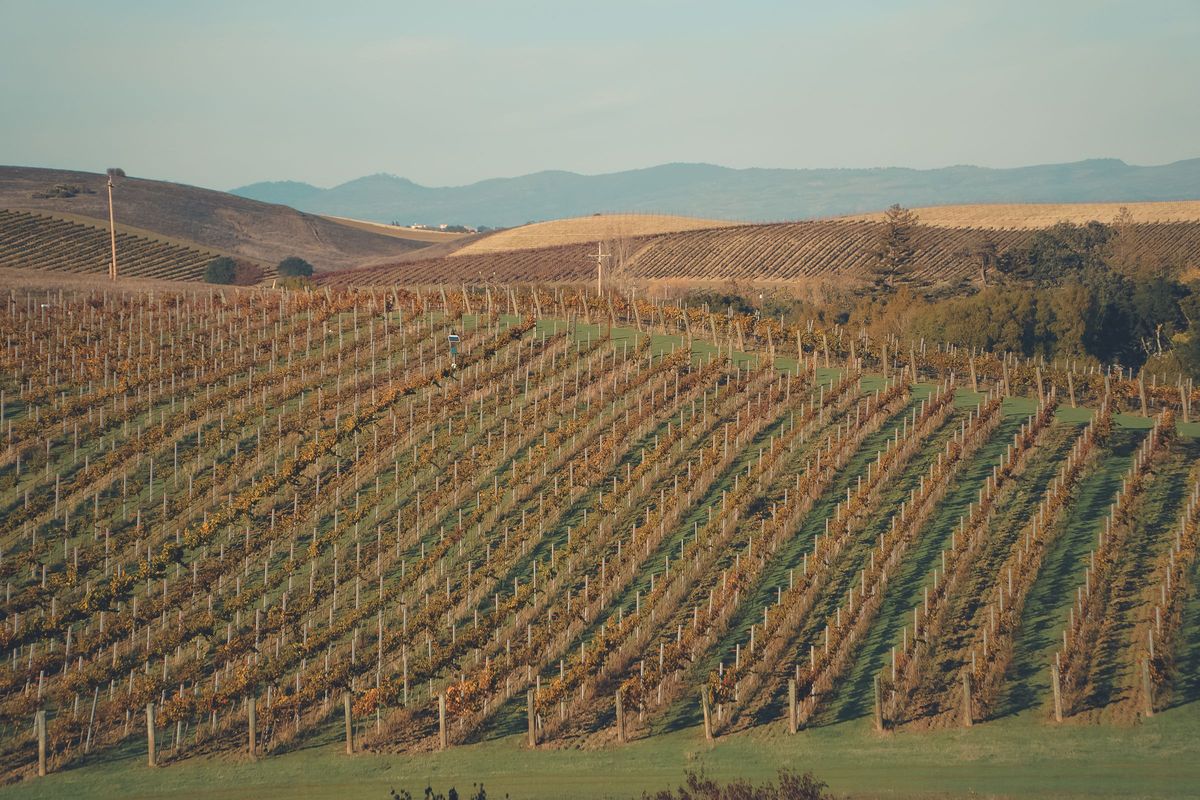
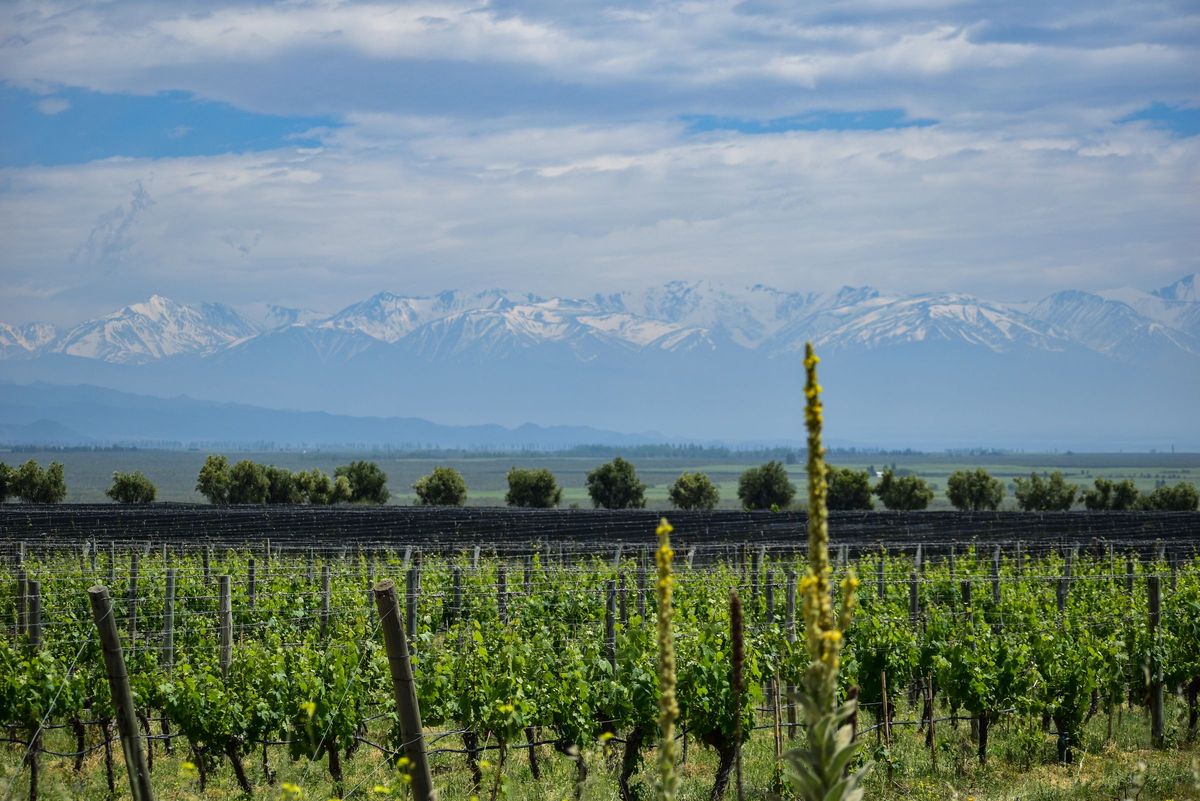
In wine, Old World means Europe and New World means the rest of the world’s wine regions: Australia, New Zealand, Chile, Argentina, South Africa, the United States and others.
This article also counts the long-established wine countries of the Mediterranean and the Caucasus, such as Georgia and Lebanon, as Old World. A country that cannot be placed in either group is left out rather than guessed.
How the two groups split in this catalogue
Counted by in-stock wines, the Old World holds about 64% of this catalogue and the New World about 36%. That ratio is worth knowing, but it says little about what either group contains.
Two catalogues can carry the same European share and look nothing alike, depending on whether that share is red wine or sparkling. The more useful question is the next one.
| Share | |
|---|---|
| Old World | 64.1% |
| New World | 35.9% |
Source: WNLQ9.shop catalogue, in-stock wines with a stated country of origin, October 2026
What each group is made of
Red wine leads in both: about 60% of the Old World share and about 67% of the New World share. On that measure the two groups are more alike than their names suggest.
The clear difference is sparkling wine. It makes up about 17% of the Old World share, about 6 times the New World’s 3%.
White wine runs the other way: about 28% of the New World share against about 18% of the Old World. The two charts below show shares within each group, so the larger group does not drown out the smaller one.
| Share within group | |
|---|---|
| Red | 60.2% |
| White | 18.1% |
| Sparkling | 16.6% |
| Rosé | 3.2% |
Source: WNLQ9.shop catalogue, in-stock wines with a stated country of origin, October 2026
| Share within group | |
|---|---|
| Red | 66.5% |
| White | 28.3% |
| Sparkling | 2.9% |
| Rosé | 2.1% |
Source: WNLQ9.shop catalogue, in-stock wines with a stated country of origin, October 2026
Labels: place name or grape name
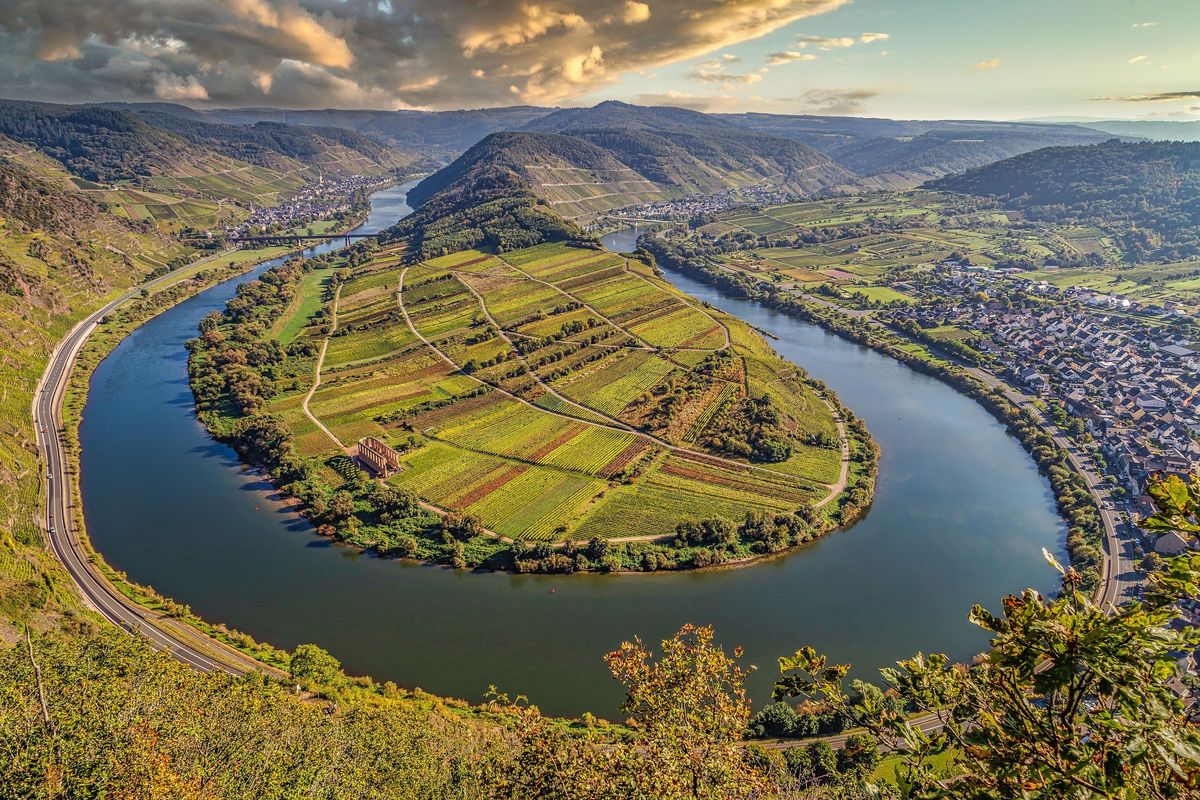
Where the two terms still predict well is the label. Much European wine carries a protected designation of origin (PDO) under EU law, which requires the grapes to come entirely from the named area, so the label leads with the place.
New World labels more often lead with the grape. In the United States, a label that names a single grape variety must contain at least 75% of that variety.
In practice a European label tends to assume you know what grows in the place it names, while a New World label tends to tell you the grape outright.
Style is only a broad sketch
The terms are also used for style: Old World wines described as lighter, earthier and more herbal or mineral, New World wines as riper, more fruit-forward and higher in alcohol.
Wine Spectator itself calls these huge generalizations. Producers on both sides work across the full range, and the climate of a region or the warmth of a given year often says more about a wine’s style than which group it belongs to.
How this was counted
Countries are assigned to a group from an explicit list, never inferred from a producer’s name. A country on neither list is excluded, because a wrong assignment would be published as fact and would be invisible once charted.
Only in-stock wines with a stated country are counted. The figures are recomputed whenever the catalogue data changes, and they describe one catalogue, not national import statistics.
In three lines
- Old World means Europe’s wine regions; New World means the rest of the world’s.
- In this catalogue the Old World holds about 64% and carries a much higher share of sparkling wine.
- European labels tend to lead with the place, New World labels with the grape.
Questions people ask
What is the difference between Old World and New World wine?
Geographically, Old World is Europe and New World is everywhere else wine is made. Style differences are broad generalizations; label rules are the clearer difference.
Which countries count as New World?
Australia, New Zealand, Chile, Argentina, South Africa and the United States are the usual examples, along with newer wine countries such as Thailand.
Why do French labels often not name the grape?
Much European wine is sold under a protected place name tied to a defined area and production rules, so the label leads with the place rather than the grape.
Where do the numbers on this page come from?
From in-stock wines in one catalogue, WNLQ9.shop, recomputed whenever the data changes. They are not national import statistics.
Read next
Sources
- Wine Spectator: what is the difference between Old World and New World wines?
- European Commission: geographical indications and quality schemes explained (PDO wine)
- US Code of Federal Regulations, 27 CFR 4.23: varietal (grape type) labelling
For education only. For readers aged 20 and over.