 Log in to view
฿฿฿
Product information compiled from producer, importer and reference sources.
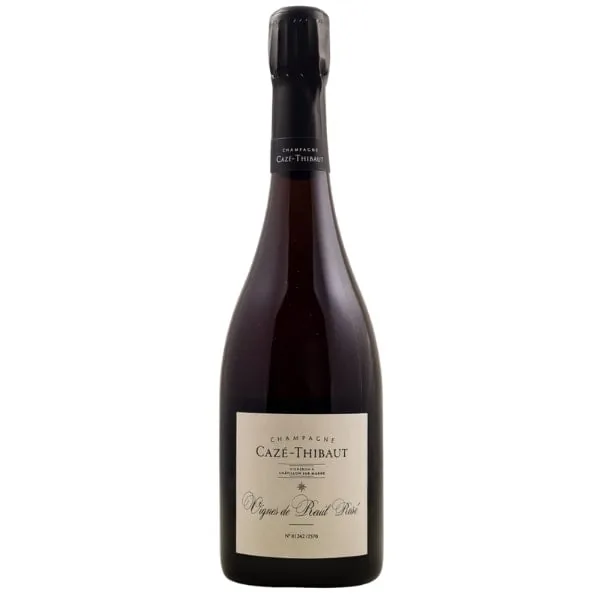
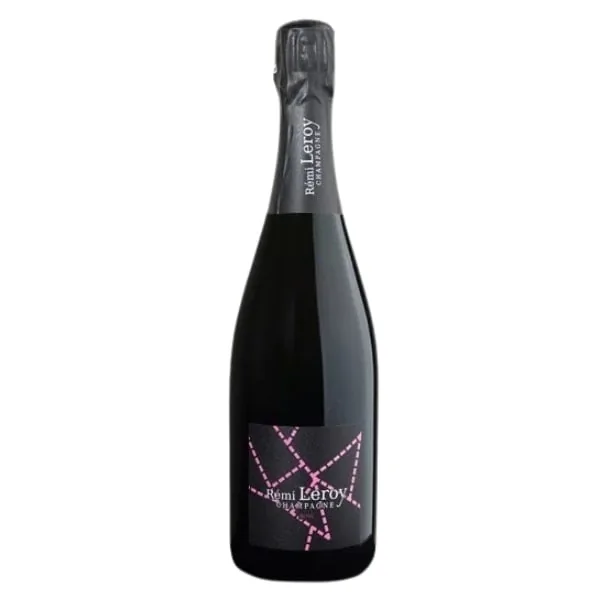
Grower Champagne from Kimmeridgian Côte des Bar — rosé d'assemblage, Burgundian barrel discipline, zero-fuss dosage at 3 g/L.
When Rémi Leroy returned to his family's Côte des Bar estate in 2006 after completing a Masters in Oenology at Bordeaux, he made a deliberate choice to vinify each parcel individually — a Burgundian discipline almost unheard of among Aube growers — and to source his used barrels from Hubert Lamy of St-Aubin and Thomas Pico of Chablis, not from Champagne.
The Rosé is built on 75% Pinot Noir, 20% Chardonnay, and 5% Meunier, drawn from Meurville, Bergères, and Fontaine across 9.5 hectares of predominantly Kimmeridgian clay-limestone — the same Jurassic geology that defines Chablis — sitting at east and southwest exposures on either side of the Le Landion tributary.
That soil type drives a chiselled, saline mineral tension that reads closer to the Côte des Blancs than to the fruit-forward Aube mainstream. In the cellar, must moves entirely by gravity to minimise SO₂, fermentation proceeds with indigenous yeasts in a mix
of stainless steel and used 300–400 L Burgundian barrels, with full malolactic fermentation and 18–20 months on lees; the blend incorporates 30% reserve wine from a perpetual solera started in 2009.
Dosage is held at 3 g/L (Extra Brut), bottled unfined and unfiltered. What sets this Rosé apart is that its structural backbone comes not from dosage or house-style blending but from geological specificity and extended lees contact — a vinous, food-serious Champagne that behaves more like a still wine with bubbles than a celebration fizz.
Sommelier’s pick: Grilled langoustine with bisque butter · Duck breast with cherry gastrique · Tuna tartare with yuzu kosho
Loading notes…
Tasted this?
Ask us on LINE.
Ask about this item