 Log in to view
฿฿฿฿
Product information compiled from producer, importer and reference sources.
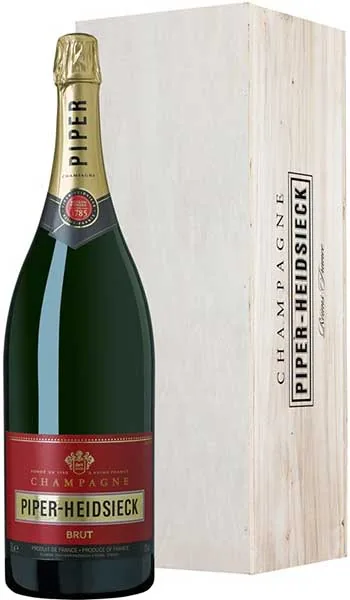
Pinot Noir-dominant NV from 110+ crus on Champagne chalk; MLF blocked, 24+ months on lees, 8 g/L dosage. Wine Spectator 92 pts.
When chef de cave Émilien Boutillat took the helm in 2018 at age 31 — the youngest to lead a major Champagne house — he doubled down on a deliberate house transgression: blocking malolactic fermentation to preserve raw acidity and fruit purity rather than chasing the creamy, autolytic richness that defines many grandes maisons.
The result is a Champagne that reads as structurally taut where its peers read as plush.
Fruit is drawn from 110+ crus across Montagne de Reims, Vallée de la Marne, Côte des Blancs, and Côte des Bar, all rooted in Champagne's classic chalk subsoil — a geology that drives the chalky minerality threading through the mousse and keeps the palate electric rather than broad.
The assemblage runs approximately 50–55% Pinot Noir, 30% Pinot Meunier, 15–20% Chardonnay, with a minimum 25% reserve wines blended in for cross-vintage consistency. Each cru and variety is vinified separately in stainless steel — no oak contact — before a minimum 24 months on lees in bottle via traditional méthode champenoise.
Dosage sits at 8 g/L, low enough to keep the fruit-forward architecture from tipping into sweetness.
This 3-litre double-magnum format slows secondary fermentation pressure and lees contact dynamics, producing a measurably different aging trajectory than the standard 75 cl — a format advantage rarely discussed but well-documented among cellar professionals.
Wine Spectator 92 pts (Nov 2022): black cherry, toast point, white peach purée, salted almond — drink on release or hold 3–5 years.
Sommelier’s pick: Grilled langoustine with brown butter and tarragon · Seared duck breast with cherry gastrique · Truffle arancini with aged Parmigiano
Loading notes…
Tasted this?
Ask us on LINE.
Ask about this item