 Log in to view
฿฿
Product information compiled from producer, importer and reference sources.
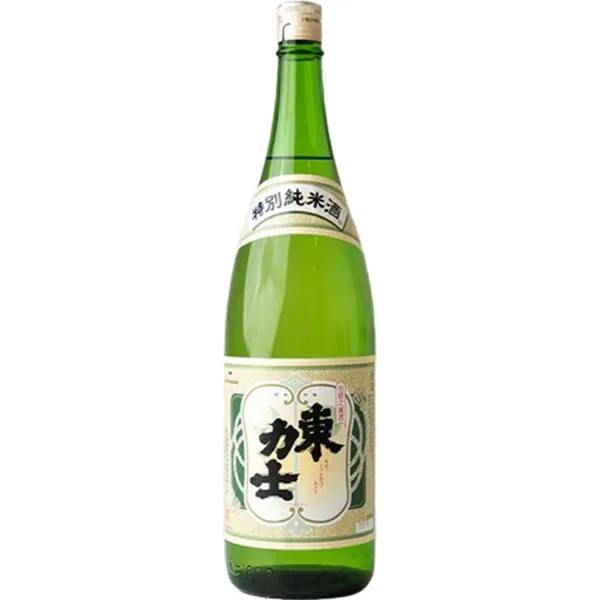
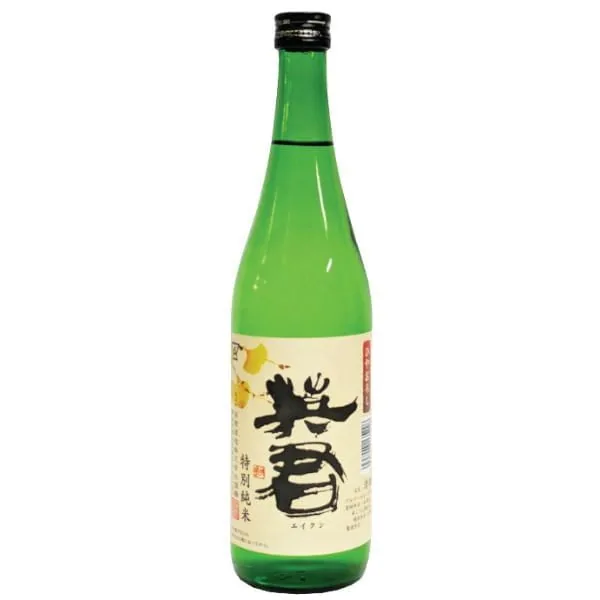
Fushimi kura hiyaoroshi from Saito Shuzo — Iwai rice, Momoyama Hills soft-spring water, autumn single-pasteurisation release.
When the Saito family adopted the name Eikun in 1915 to mark Emperor Taisho's ascension, they were already two decades into building a house identity inseparable from one water source: Fusui, the soft, low-iron underground spring beneath the Momoyama Hills, designated among Japan's top 100 water sources.
That mineral-minimal water is the structural reason Eikun produces the archetypal Fushimi onna-zake — a mellow, low-astringency texture that Nada's harder water cannot replicate.
The rice is Iwai, a Kyoto-exclusive variety developed in 1933, revived in 1988, and sourced almost entirely through Eikun — the brewery controls roughly 40% of all Iwai grown in the prefecture, making this terroir expression genuinely unreplicable outside Kyoto.
Polished to approximately 60% remaining grain (seimaibuai), fermented with Kyoto-sourced yeast under cold Fushimi winter temperatures via traditional sandan jikomi (three-addition) fermentation, and guided by a toji of the Nanbu Toji guild.
The Hiyaoroshi designation is the special feature: brewed in winter, pasteurised once at filling, then aged through summer in tank and released in autumn without a second pasteurisation — a single-heat treatment that preserves a rounder, more developed texture than standard hiire sake while avoiding the rawness of nama.
The result is a Tokubetsu Junmai with deepened umami and a softened grain character that marks the seasonal transition.
Sommelier’s pick: Grilled matsutake mushroom with sudachi · Kyoto-style white miso soup with tofu and wakame · Seared duck breast with ponzu and chrysanthemum greens
Loading notes…
Tasted this?
Ask us on LINE.
Ask about this item