 Log in to view
฿฿฿
Product information compiled from producer, importer and reference sources.
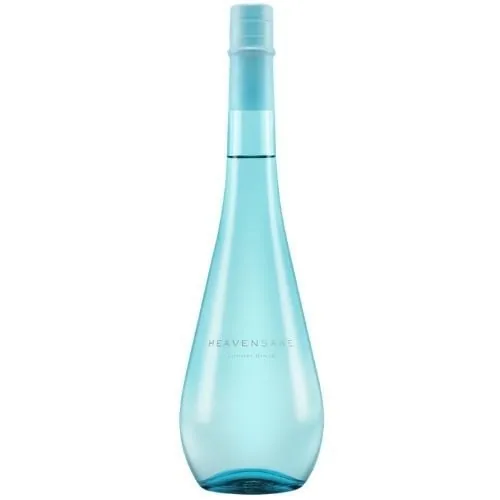
Dewazakura's snowy Yamagata valley, three rice varieties blended Champagne-style by Régis Camus — Junmai Ginjo with daiginjo-level polish in the glass.
When Régis Camus — chef de cave at Maison Rare Champagne — turned his assemblage instincts toward sake in 2016, he chose Dewazakura, a Yamagata brewery founded in 1892 in a snow-insulated mountain valley, as the anchor for Label Azur. The cold, high-altitude
microclimate of Yamagata slows fermentation naturally, driving aromatic precision and a clean, elongated finish that mirrors what Camus pursues in prestige cuvée Champagne.
Label Azur is built from a deliberate three-rice assemblage — Yamadanishiki, Toyonishiki, and Kuranohana — each polished to different ratios, with components reaching 40% remaining grain, a daiginjo-level threshold despite the Junmai Ginjo classification on the label.
Fermentation is conducted in temperature-controlled tanks under Dewazakura's resident toji, with Camus selecting from a broad panel of batch samples before final blending. No distilled alcohol, no added sugar, no sulfites — pure Junmai.
The category transgression is structural: multi-rice, multi-batch assemblage within a single brewery partnership is essentially unused in traditional sake, yet it is the entire logic of the Heavensake house style — floral and fruity aromatics over a silky, low-acid frame.
Label Azur is a non-vintage composition, meaning each release is calibrated to a consistent house profile rather than a single harvest's character.
Sommelier’s pick: Hokkaido sea urchin with yuzu kosho on chilled tofu · Steamed Dungeness crab with ginger-scallion oil · Burrata with white peach and shiso
Loading notes…
Tasted this?
Ask us on LINE.
Ask about this item