 Log in to view
฿฿
Product information compiled from producer, importer and reference sources.
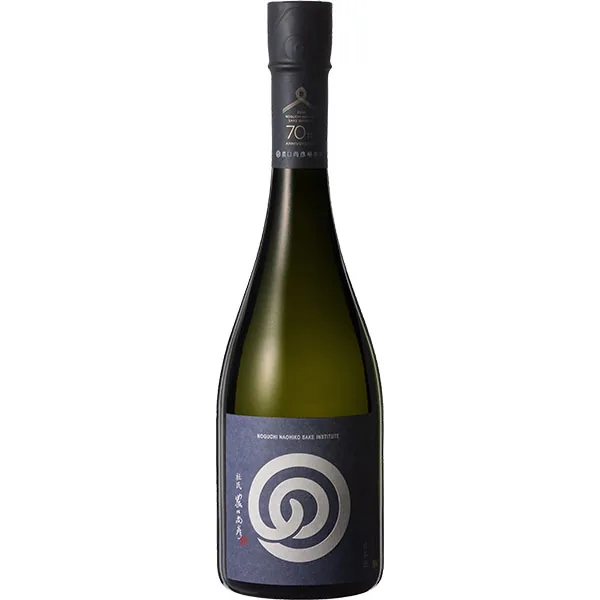
Gohyakumangoku Junmai from Komatsu's Mt. Kannon foothills — Muroka Nama Genshu bottled undiluted, unpasteurised, from Japan's most decorated living toji.
Naohiko Noguchi began brewing in 1949 at age seventeen in Noto Town, Ishikawa — by the time he founded his own institute in Komatsu City in 2017 at eighty-five, he had accumulated 27 Gold Medals at the Annual Japan Sake Awards, including 12 consecutive years, and was credited with both the 1970s Daiginjo boom and the modern revival of Yamahai.
This Junmai is his foundational statement. The brewery sits at the foot of Mt. Kannon in Kanagaso-machi, drawing medium-hard snowmelt from Mt. Hakusan, filtered through deep underground strata to an on-site well; that mineral profile actively supports the Yamahai lactic environment and drives the wine's saline, umami-laden spine.
Rice is single-varietal Gohyakumangoku, grown locally in the Kaga plain paddies surrounding the brewery. Fermentation follows Yamahai-shikomi — no added lactic acid; ambient bacteria cultivate a high-acid, high-umami moromi in stainless-steel tanks monitored with data-logging alongside traditional toji judgment.
The sake is then bottled as Muroka (unfiltered) Nama (unpasteurised) Genshu (undiluted), typically reaching 18–19% ABV. The defining transgression: NNSI ages its namazake at low temperature in tank — a direct violation of the industry axiom that unpasteurised sake must be consumed immediately — producing a structure that deepens rather than degrades over time.
The 2020 expression delivers fresh citrus and botanical acidity, a slightly saline palate, and pronounced umami anchored by the Hakusan water character.
Sommelier’s pick: Grilled yellowtail collar with ponzu and daikon · Steamed snow crab with sudachi butter · Aged Comté with walnut honey
Loading notes…
Tasted this?
Ask us on LINE.
Ask about this item