 Log in to view
฿฿
Product information compiled from producer, importer and reference sources.
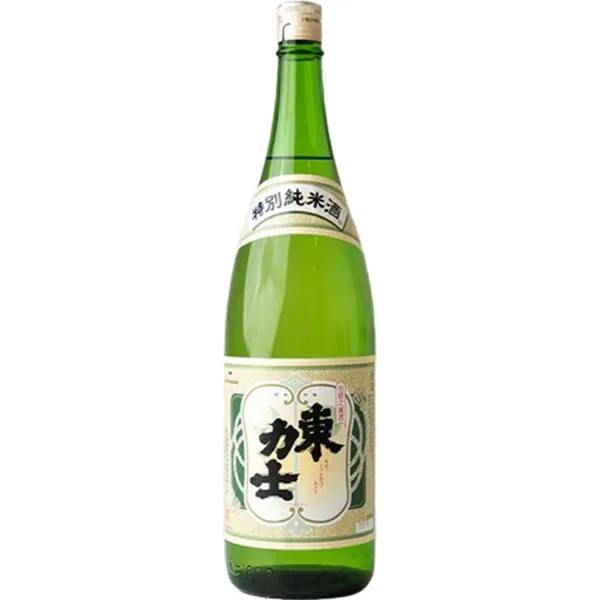
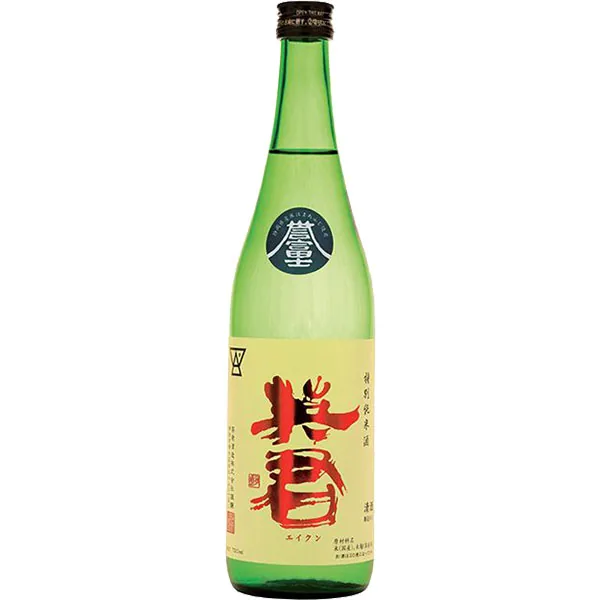
Fushimi kura, Fusui soft-spring water, Homare-Fuji rice polished to 60% — the Saito family's Tokubetsu Junmai in its most food-driven expression.
Founded in 1895 along the Takase River in Fushimi, Kyoto, Saito Shuzo adopted the name Eikun in 1915 to mark Emperor Taisho's ascension — a gesture that anchored the brewery's identity to Kyoto's cultural gravity rather than commercial trend. The Tokubetsu
Junmai Homare-Fuji draws its character from Fusui (also called Shiragikusui), a soft, low-iron underground spring beneath the Momoyama Hills — designated among Japan's top 100 water sources — whose near-mineral-free profile suppresses harsh fermentation byproducts and yields the mellow, rounded texture Fushimi calls onna-zake.
Homare-Fuji rice is polished to a 60% seimaibuai, meeting Tokubetsu Junmai classification, and fermented via sandan jikomi (three-stage multiple addition) using Kyoto-sourced yeast under cold winter temperatures in the Fushimi kura. No distilled alcohol is added — the junmai designation is absolute.
Where most Tokubetsu Junmai expressions lean toward Yamada Nishiki's assertive structure, Eikun's use of Homare-Fuji — a rice variety outside its flagship Iwai program — produces a lighter, grain-forward profile with lower aromatic intensity than the ginjo tier, calibrated specifically for food integration over standalone sipping.
Pasteurised (hiire) for stability; drink now through two years from bottling, lightly chilled at 10–15°C or warmed to 45°C to amplify the soft umami core.
Sommelier’s pick: Chawanmushi with dashi and mitsuba · Agedashi tofu with bonito flakes and grated daikon · Grilled chicken yakitori with shio tare
Loading notes…
Tasted this?
Ask us on LINE.
Ask about this item