 Log in to view
฿฿
Product information compiled from producer, importer and reference sources.
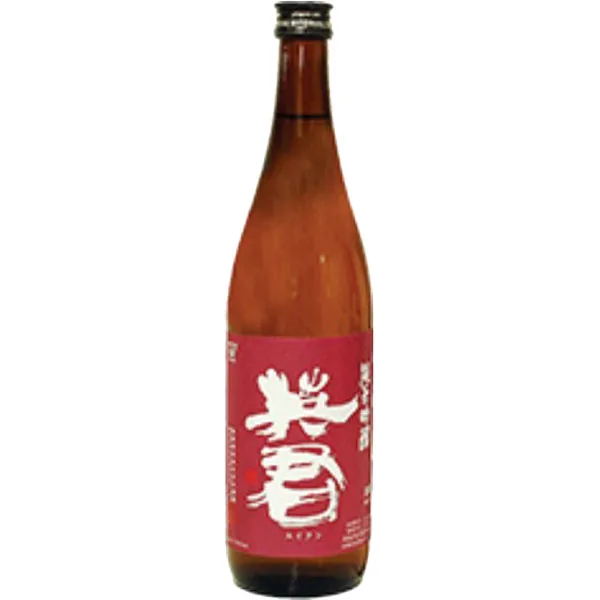
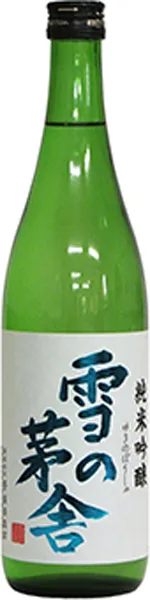
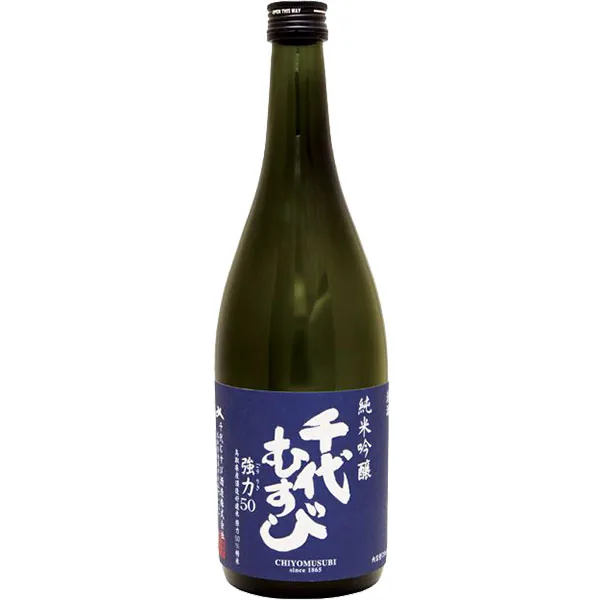
100% Gōriki rice — Tottori's near-extinct variety, polished to 60% — fermented with hand-cooled steamed rice and proprietary yeast at Sakaiminato's Sea of Japan coast brewery.
Gōriki rice had all but disappeared from Tottori's paddies by the mid-1950s — too difficult to cultivate, too regionally specific to survive industrialisation. Chiyomusubi, founded in 1865 and stewarded by the Okasora family, anchored its revival through a
1998 collaboration with contract farmers, Tottori University, and strict seed-purity protocols that make this one of the most traceable terroir-specific sake programs in Japan.
The brewery draws its water from a natural spring in Daito Town, Shimane Prefecture, at the foot of the Chugoku Mountains — a slightly soft source collected by hand on a three-hour round trip each brewing day. That soft water, combined with Gōriki's inherently dense grain structure, produces a sake with more body and structural weight than the lighter, more aromatic styles typical of Hyogo or Niigata.
For this Junmai Ginjo, 100% Gōriki is polished in-house to a 60% seimaibuai. Steamed rice is hand-cooled — not machine-cooled — to ensure uniform core temperature before fermentation. The brewery selects from a proprietary yeast library maintained and refreshed annually, and employs an extended karashi resting period to build a robust yeast starter.
Fermentation tanks for Ginjo batches are loaded at 800 kg polished rice per tank, a deliberate scale that preserves thermal control.
Where most Ginjo producers chase delicate floral lift, Chiyomusubi leans into Gōriki's density — the result is a Junmai Ginjo with the structural weight of a larger-format expression, without the polish ratio to match.
Sommelier’s pick: Grilled yellowtail collar (buri kama) with ponzu · Steamed snow crab with dashi butter · Seared duck breast with miso-glazed turnip
Loading notes…
Tasted this?
Ask us on LINE.
Ask about this item