 Log in to view
฿฿
Product information compiled from producer, importer and reference sources.
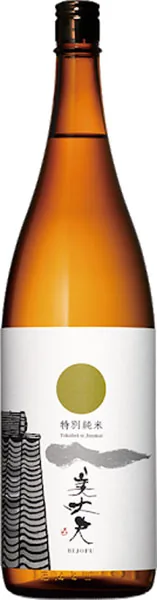
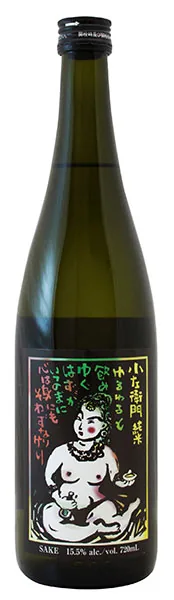
Gifu house Junmai brewed with yodan four-stage fermentation and 98%-humidity koji — a deliberate umakuchi counter to Japan's dry mainstream.
Founded in 1702 by Nakashima Kozaemon in the mountain town of Mizunami, Gifu, this brewery made a pointed commercial decision around 2001: reject the tanrei karakuchi (light, dry) orthodoxy that had dominated Japanese sake since the 1970s and build an entire house identity around umakuchi — rich, umami-forward sake engineered for food.
That philosophy is not marketing; it is encoded in the production method. Koji is cultivated at approximately 98% humidity, maximising enzyme activity and rice-starch conversion beyond standard practice. Fermentation then follows a yodan (four-stage) mash-building protocol — one addition beyond the conventional three-stage sandan shikomi — deliberately extending umami extraction from the grain.
Water comes from a natural underground spring fed by snowmelt off Mt. Byobu (Byobuzan), filtered through the forested, cool-humid watershed of the Mino highlands adjacent to the Kiso River. The House Junmai is polished to 65% seimaibuai using Yamada Nishiki, carrying no added distilled alcohol by Junmai designation.
The 1.8 L isshobin format is the traditional restaurant and household workhorse — the same liquid, scaled for daily table use. What is unusual here is structural: yodan fermentation is a technique more commonly reserved for premium expressions, making this the rare house sake where the complexity budget is spent on process, not polish ratio.
Sommelier’s pick: Grilled miso-glazed black cod (saikyo yaki) · Braised pork belly chashu with tare · Aged Comté or Gruyère with pickled vegetables
Loading notes…
Tasted this?
Ask us on LINE.
Ask about this item