 Log in to view
฿฿
Product information compiled from producer, importer and reference sources.
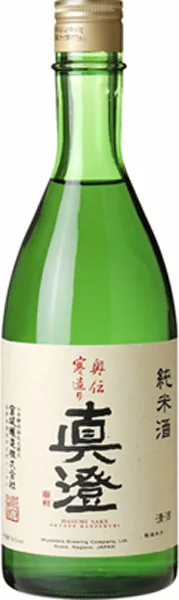
Yamahai-method Junmai from Suwa's 1662 kura — brewed on Kyokai No. 7, the yeast Masumi gave the world.
In 1946, Masumi's brewers isolated a yeast strain from their Suwa fermentation tanks that would go on to define modern sake: Kyokai Yeast No. 7, now used by over 60% of Japan's breweries. Every bottle of Okuden Kanzukuri is built on that lineage. The original
kura sits at Shimizu-machi ('Clear Water Village') in the Suwa Basin, where snowmelt from the Yatsugatake (Eight Peaks) Range and Kirigamine Highlands delivers very soft, mineral-light water — a critical variable in the lactic development of the yeast starter.
Cold mountain air and the basin's sharp diurnal temperature swings slow fermentation, deepening texture without sacrificing clarity. Masumi brews Okuden Kanzukuri via the yamahai yeast-starter method: natural lactic-acid bacteria are cultivated in the shubo tank over approximately two weeks before fermentation begins — no commercially added lactic acid.
This is the brewery's house-wide commitment, applied here at the Junmai tier where most producers default to the faster sokujo shortcut. The result is a sake of measurably higher natural acidity, layered umami, and a clean, long finish. Primary rice is Miyama Nishiki, a Nagano-grown variety bred for cold-climate cultivation, milled in-house at Masumi's own polishing plant.
The 'Okuden Kanzukuri' name — roughly 'slow winter brewing' — signals deliberate patience over efficiency. Drink now through two to three years; serve slightly chilled or gently warmed to open the lactic depth.
Sommelier’s pick: Grilled miso-glazed black cod (saikyo-yaki) · Braised pork belly with daikon in dashi · Aged Comté with walnut bread
Loading notes…
Tasted this?
Ask us on LINE.
Ask about this item