 Log in to view
฿
Product information compiled from producer, importer and reference sources.
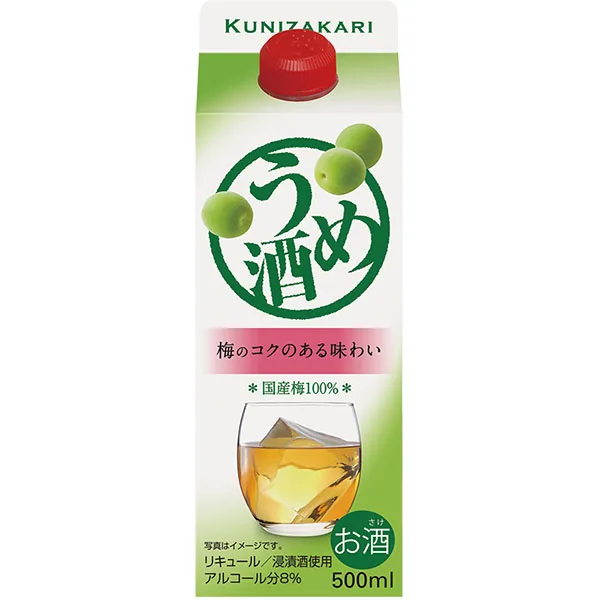
Farm-to-bottle umeshu: Nakano Brewery grows its own ume at Kuni Zakari Farm, steeping fruit from the same Chita Peninsula terroir that has shaped sake here since 1844.
The Nakano family established their kura in Handa City in 1844, and the decision to operate Kuni Zakari Farm — growing ume in-house rather than sourcing commercially — is the single fact that separates this umeshu from the category majority. The fruit
originates on the Chita Peninsula, a warm coastal strip averaging ~15.5°C annually, where maritime air moderates the growing season and the same abundant natural spring water that feeds the sake fermentation is drawn for liqueur production.
Production follows the traditional shirozake-base or neutral-spirit maceration method standard to umeshu; no wood aging is confirmed. The ume fruit steeps until the stone-fruit sugars and tartaric acids fully integrate, yielding a liqueur that leans on the natural acidity of the plum rather than added citric correction.
The house philosophy — engineering umami depth and clean finish over aromatic delicacy — carries directly into this expression: the sweetness is anchored by a firm acidic spine rather than left unchecked.
What is unusual here is vertical integration: from orchard soil to bottled liqueur, no third-party fruit supply chain intervenes — a rarity among industrial-scale Japanese umeshu producers. This 500 ml bottle is an entry point into a brewery whose flagship Gahoujin uses rice polished to 20% remaining, and that same obsessive sourcing logic applies here.
Sommelier’s pick: Yakitori with tare glaze · Aged Gouda with dried apricot · Tamarind-glazed pork ribs
Loading notes…
Tasted this?
Ask us on LINE.
Ask about this item