 Log in to view
฿
Product information compiled from producer, importer and reference sources.
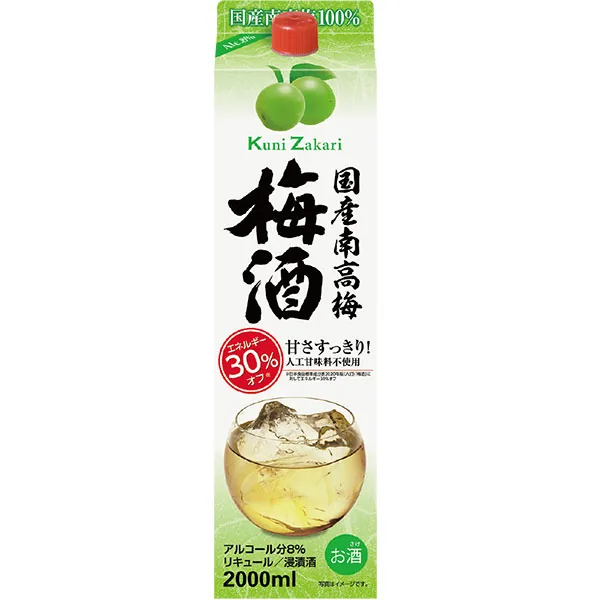
Nakano family's own Kuni Zakari Farm ume, steeped in sake from a Handa kura founded 1844 — plum liqueur rooted in provenance.
The Nakano family, brewing in Handa City since 1844, took the unusual step of cultivating their own Nanko-ume plums at Kuni Zakari Farm rather than sourcing fruit externally — a vertical integration that directly controls the ripeness and variety profile entering the liqueur.
Nanko-ume, grown in Wakayama Prefecture, is Japan's most prized plum cultivar, valued for its thick flesh, high juice yield, and pronounced tartaric acidity. Steeping in Kunizakari sake base rather than neutral spirit means the liqueur carries the brewery's characteristic umami depth alongside the fruit.
The Chita Peninsula water source — abundant natural spring water drawn from the same aquifer that underpins the sake range — contributes a soft mineral backbone that keeps the sweetness from becoming cloying. At 2 litres, this is a format designed for high-volume service or household use, yet the raw material is farm-specific, not commodity fruit.
What separates this from category peers is the closed loop: same family, same water, house-grown ume, house-made sake base — an end-to-end provenance almost unheard of in commercial umeshu. As a non-vintage expression, consistency across batches is the stated goal, and the 1844 institutional knowledge behind fermentation control supports that claim.
Sommelier’s pick: Chilled tofu with pickled plum and shiso dressing · Yakitori negima (chicken and spring onion) with tare glaze · Aged gouda with walnut crackers
Loading notes…
Tasted this?
Ask us on LINE.
Ask about this item